Change or rekey · Toronto
Lock Replacement & Upgrade
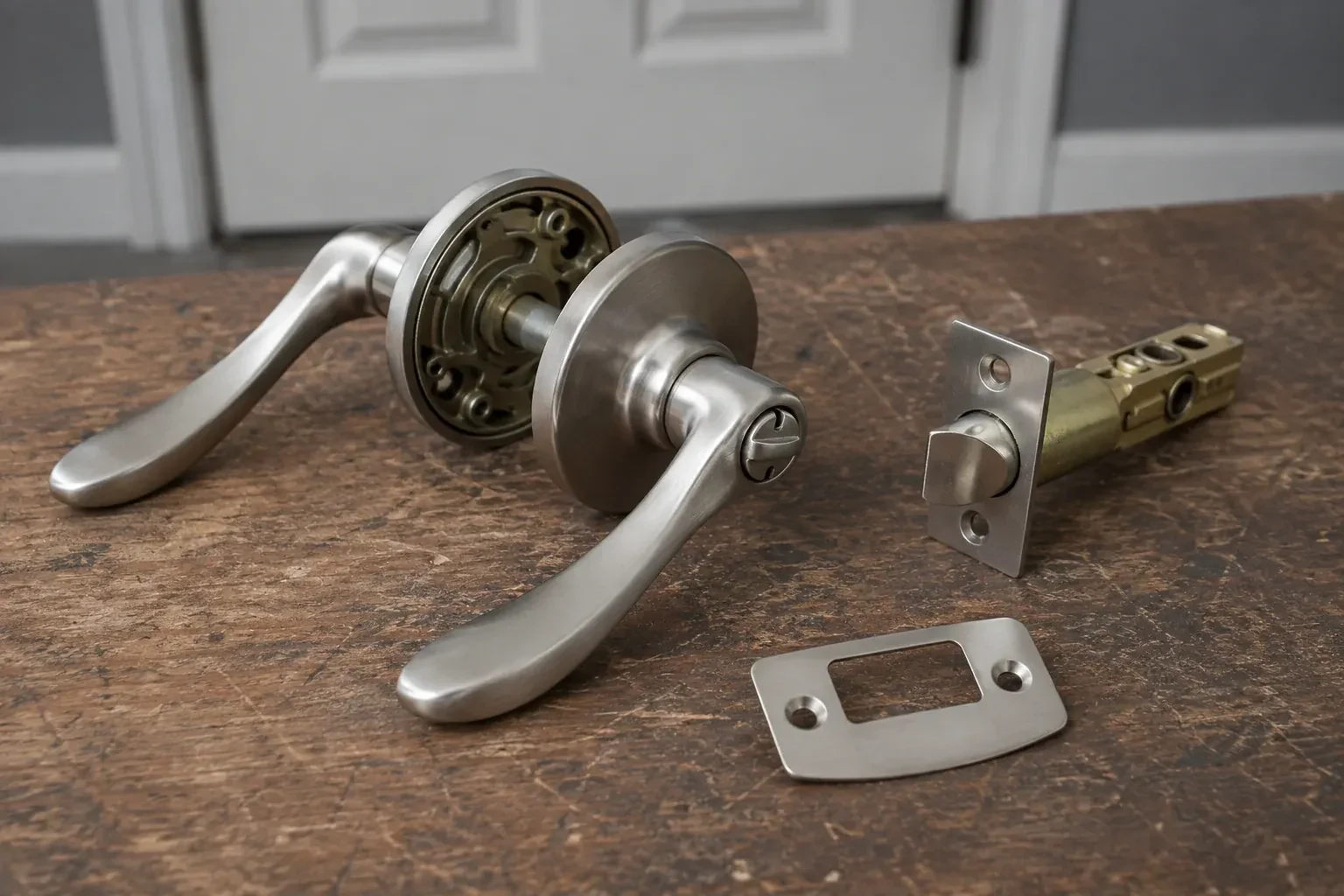
The lever on the side door droops toward the floor and rattles in your hand. The latch no longer springs back on its own, so the door drifts open behind you unless you pull it shut and check it twice.
Call now · open 24/7(289) 806-2827In plain words
A replacement lock has to fit holes that already exist, and that is where the visit begins. The locksmith measures the backset, the distance from the door edge to the centre of the bore, which on most doors is 60 or 70 millimetres, checks the cross-bore diameter and edge-bore size, notes door thickness and handing, and looks at the strike cut-out. Most residential hardware is made to these standard preparations, so the new lock usually drops into place with no new drilling. Where a mortise lock or a thick door departs from the norm, filler plates, extension kits or a careful new bore bring the door up to standard.
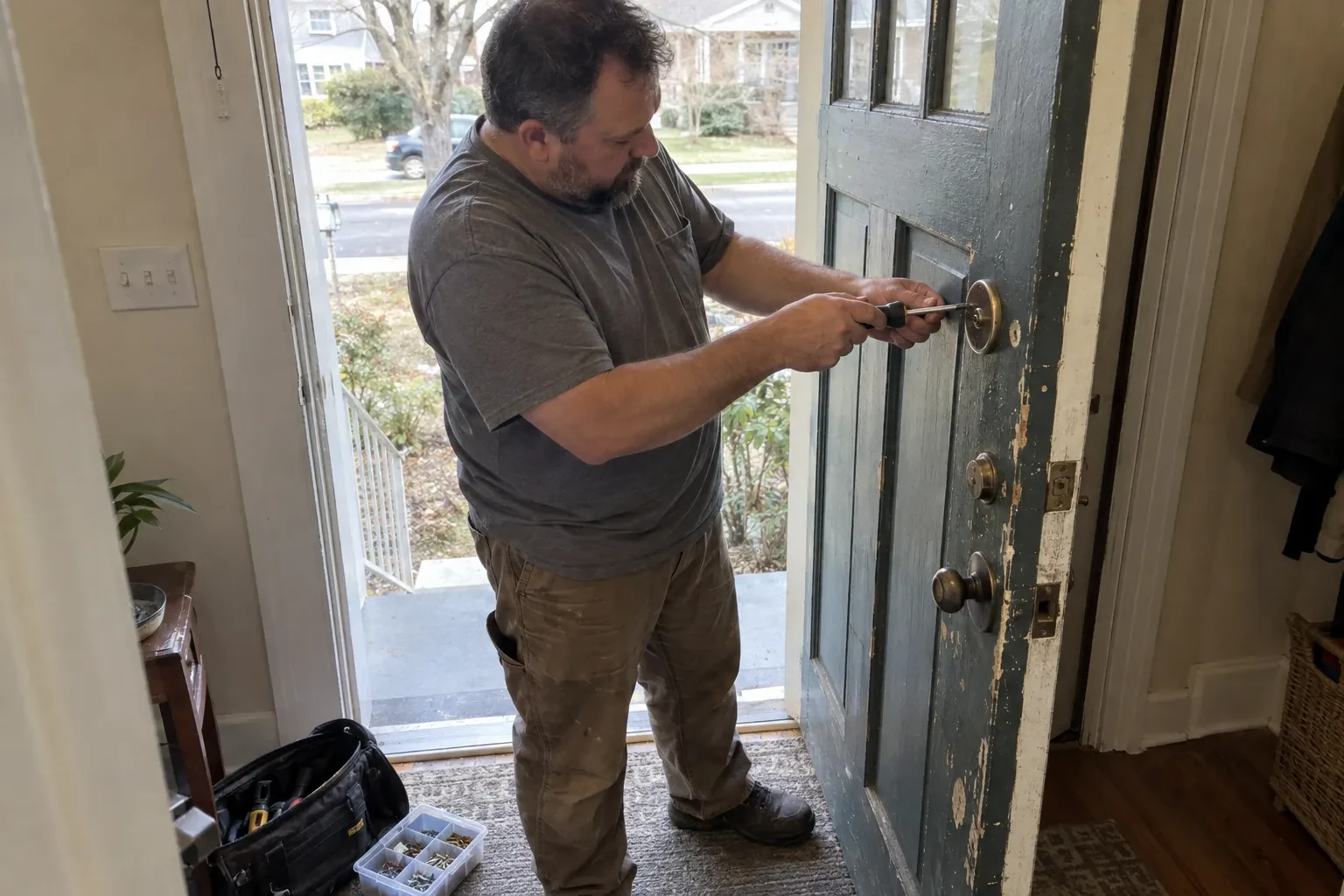
How the visit goesThe house is fifteen years old and every exterior door still wears the light hardware the builder fitted: a short bolt, a thin strike held by two small screws, and a knob lock that never suited a street entrance.
Lock Replacement & Upgrade · Toronto
How the visit goes
- 1
The rest of the openings
One failing lock is often the loudest of several, so the locksmith takes a short tour. The back door, the garage man-door, a basement walkout, a sliding patio door and a storm door all count, and so does the door from the garage into the house, which is often the lightest lock on the property. Each is noted for grade, condition and whether it has a deadbolt at all. You are not obliged to do them all at once; the value of the tour is a clear list ranked by what matters most, so the first replacement goes where it makes the largest difference.
- 2
Fitting the latch or bolt to the door
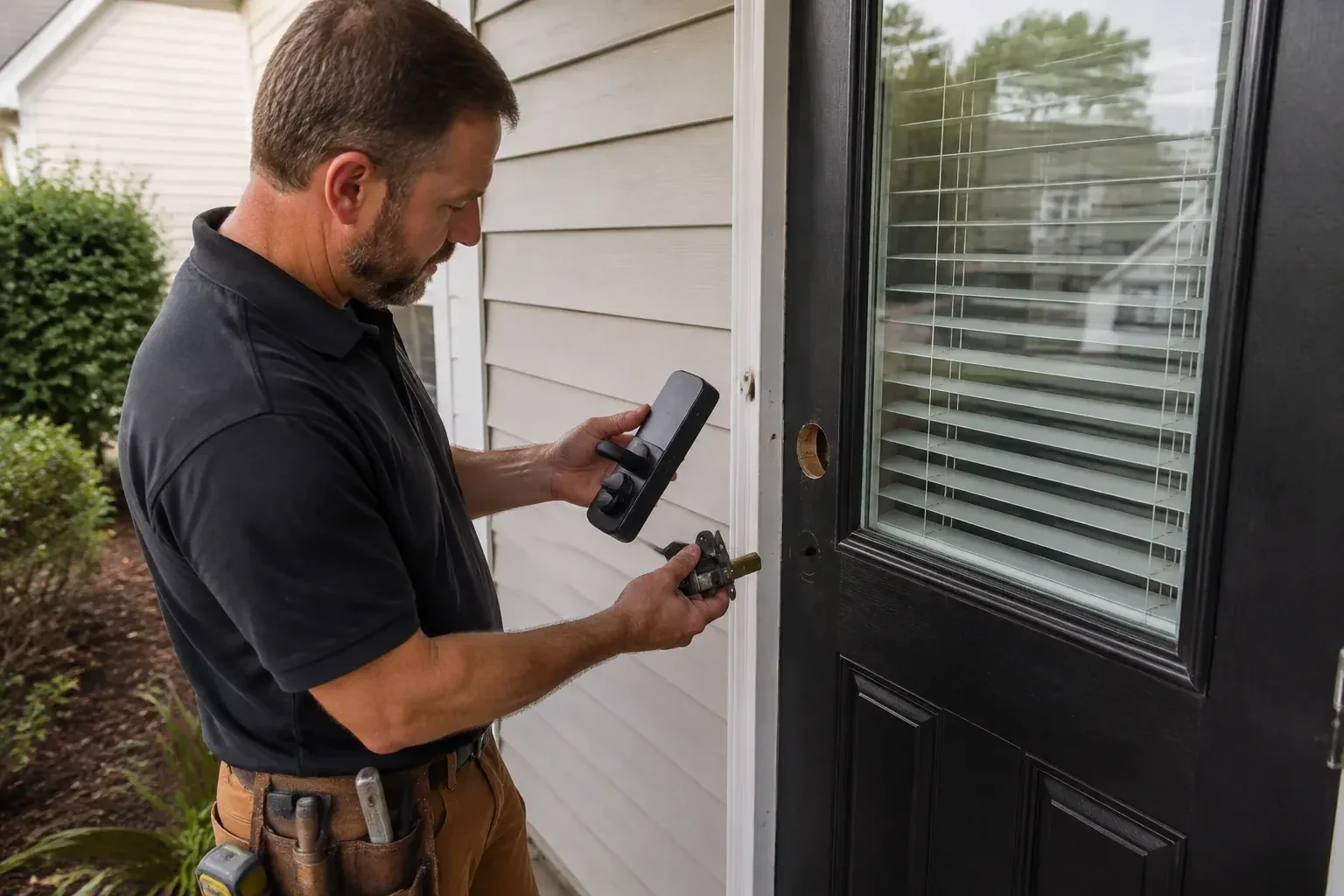
Most modern latches and bolts adjust between the two common backsets, so the unit is set to the measured figure and slid into the edge bore. A spring latch goes in with its bevel facing the strike, while a deadbolt is oriented the way its markings or instructions call for, not by that bevel rule. The faceplate should sit flush in its mortise; where the old cut-out differs in shape or size, the mortise is trimmed with a sharp chisel, or a round drive-in collar is used where the door was prepared that way. The bolt is checked to travel freely before anything else goes on, since a bolt that binds in the door will bind under the key too.
- 3
An opening that is stronger, not just newer
Where the strike was reinforced, the improvement is mostly invisible and worth understanding. Long screws now tie the strike through the jamb into the framing, the pocket has been cut to take the whole bolt, and any split wood has been repaired. Together these make the frame the equal of the deadbolt, which is the part most break-ins defeat. The locksmith points out what changed so you can check it yourself: a bolt that seats fully with the door closed and a strike that stays put under a firm push. A twice-yearly look at those screws keeps it that way.
In the van
- Chisels, mallet and hand screwdrivers
- 75 millimetre strike and hinge screws
- Boring jig and hole saws
- Manufacturer-approved cylinder lubricant
- Filler plates and thick-door extension kits
What affects the quote
- 1
Grade of hardware
A light Grade 3 knob set, a residential deadbolt with a strong label rating and a Grade 1 commercial-style deadbolt are different products at different levels, and the quote follows the grade you choose for each door.
- 2
Older and mortise hardware
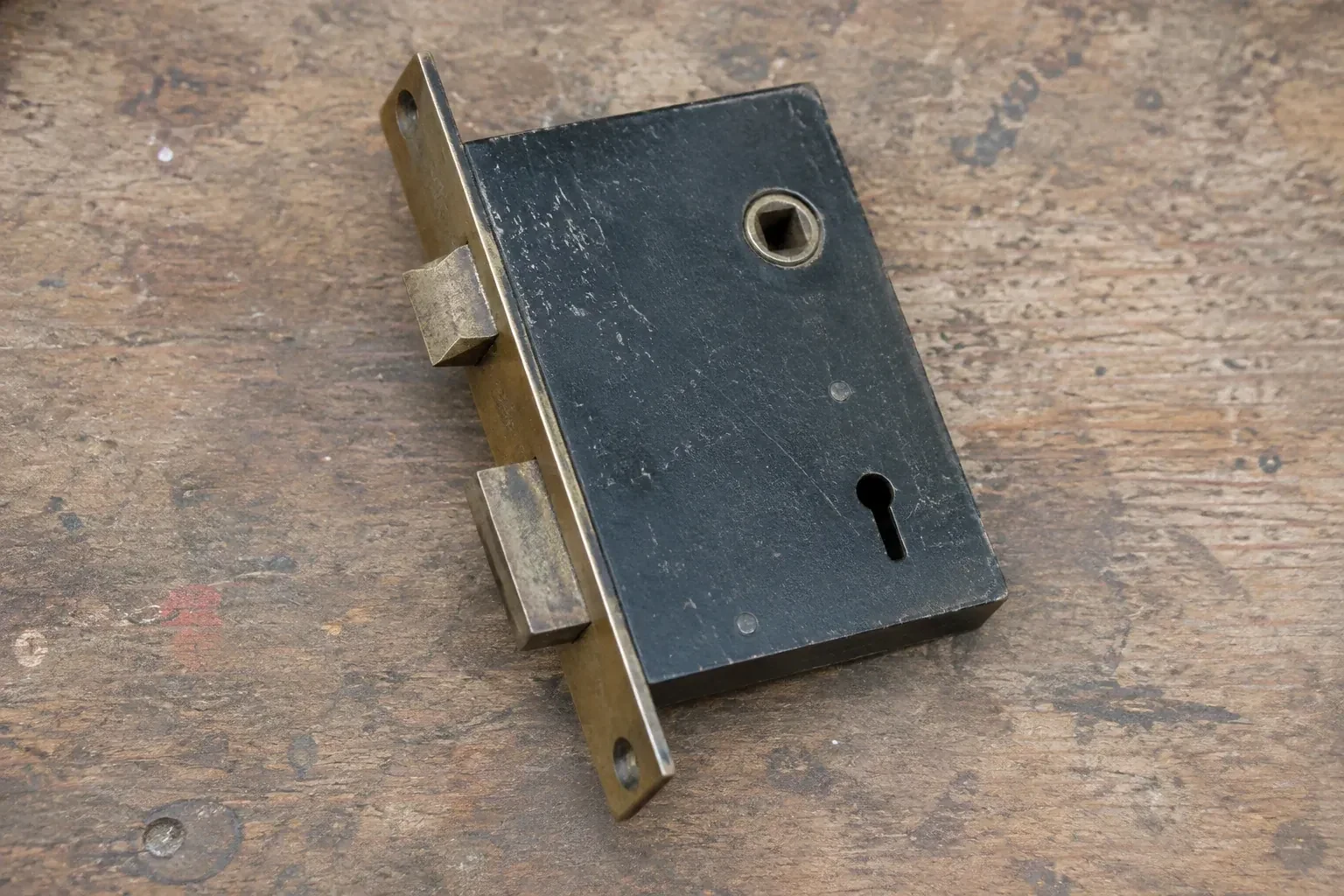
Servicing an original mortise case, sourcing a compatible cylinder or fitting a conversion plate on a century door involves more assessment and fitting time than a standard cylindrical replacement.
- 3
Finish and style
Standard satin nickel or brass is one line; specialty finishes, matched suites across several doors and designer handlesets are others. The finish you choose for exposure and looks is priced as the maker prices it.
Same fees day, night or weekend.
Lock Replacement & Upgrade: questions
How long does a lock replacement take?
A straightforward like-for-like deadbolt or knob set on a standard door is often a matter of an hour or less including testing. Add time for a reinforced strike, for keying several locks alike and cutting keys, for a smart lock's setup and pairing, and for repairing a split jamb or adapting an older door. When several entrances are done together, the locksmith gives a realistic window before starting so you can plan the day.
My deadbolt only locks if I push the door. Will a new lock cure that?
The push is a sign the bolt and the strike pocket are out of line, which is a door and frame matter more than a lock fault. A new deadbolt is welcome if the old one is worn, but the visit also adjusts the strike, deepens the pocket or tightens hinges so the bolt throws freely with the door simply closed. Done together, the door locks with a fingertip and the new hardware works as designed.
What happens to the old lock?
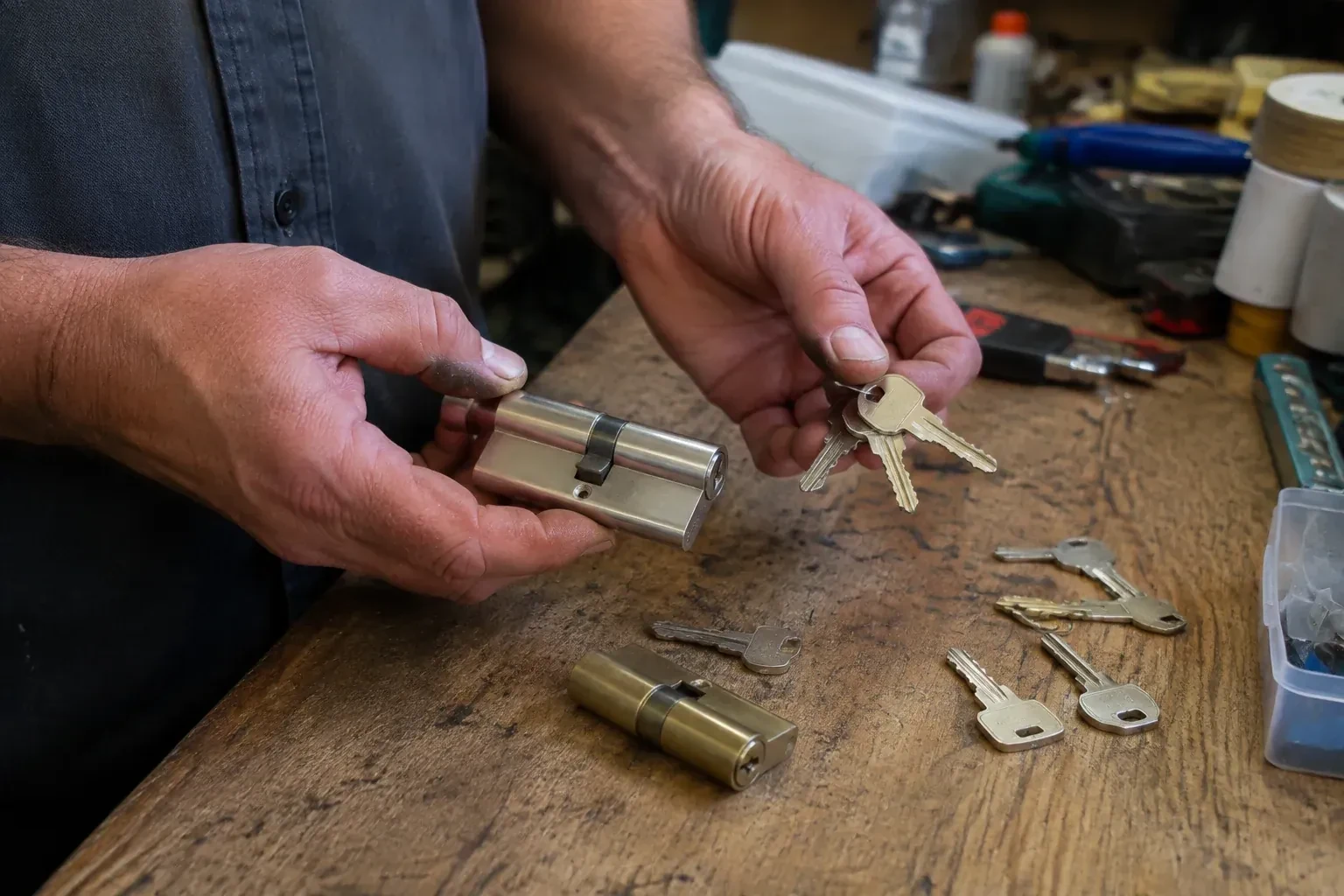
It is yours. Some people keep a sound old cylinder as a spare or move a decent deadbolt to a shed or garage door, and the locksmith can rekey it to the house key for that purpose. Worn or damaged hardware is taken away for recycling if you prefer. Either way, the old keys should be gathered up and discarded so nobody confuses them with the new set.
Lock Replacement & Upgrade near you
Toronto, Ontario
Toronto information
- Town
- Toronto, Ontario
- In business
- 16 years
- Hours
- Open 24/7 · nights, weekends and holidays, same fees
- Phone
- (289) 806-2827
- Visits
- On-site assessment preferred. Request a visit or call.
What the census means at the door
58%
Older homes. About 58% of homes in Toronto were built in 1980 or earlier, according to the 2021 Census.
Older homes tend to have had many hands on their doors: owners, tenants, tradespeople, family. A locksmith visiting such a house pays attention to who holds keys now, and rekeying or a keyed-alike set often matters more than any new hardware.
23%
Single-detached houses make up about 23% of homes in Toronto (2021 Census).
Shared entrances mean fobs, intercoms and buzzers alongside conventional locks. A locksmith can service the mechanical side of those doors and advise on how the fob system and the cylinder work together when management asks.
Nearby
Open 24/7
Request a visit
The lever on the side door droops toward the floor and rattles in your hand.
Call now · open 24/7(289) 806-2827- On-site assessment preferred
- Same fees day, night or weekend
- 16 years in business