Emergency Lockouts · Toronto
Broken Key Extraction in Toronto
In the parking lot your car key snapped in the driver's door. You are holding the plastic head with the buttons on it, the metal blade is inside the lock, and the spare is on a hook at home.
Call now · open 24/7(289) 806-2827In plain words
Keys break for a reason, and finding that reason is half the visit. A brass key wears thinnest at its deepest cut, and after years of turning it fatigues there until a cold morning or a stiff bolt finishes it. Sometimes the lock is the culprit: grit in the keyway, a loose cap, worn pins, or a door that has dropped so the bolt binds and the key takes the strain. The extraction removes the piece; the inspection that follows tells you whether the lock needs a clean and lubricant, an adjustment, or a new cylinder, so it does not happen again next month.
How the visit goesIn the parking lot your car key snapped in the driver's door. You are holding the plastic head with the buttons on it, the metal blade is inside the lock, and the spare is on a hook at home.
Broken Key Extraction · Toronto
How the visit goes
- 1
What has already been tried
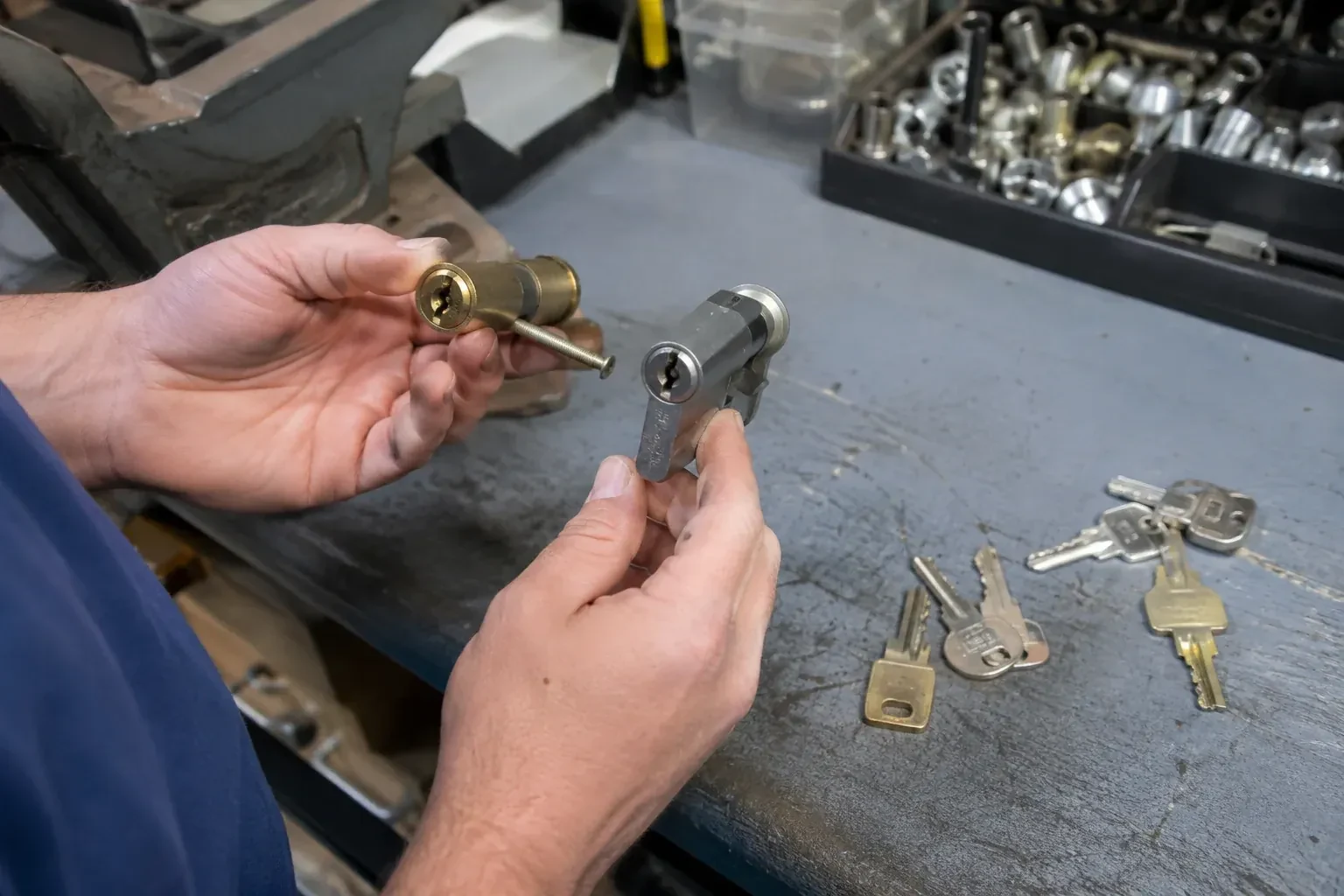
Before choosing a tool the locksmith asks what has gone into the keyway since the break. Tweezers often push a fragment deeper; a screwdriver tip can bend pins; a drop of glue on the other half bonds to nothing useful and leaves a film that has to be dissolved before extractors will slide. A second key jammed on top of the first is a common find. None of this is anything to be embarrassed about; it just changes the plan, and knowing about it in advance means the right solvent, a plug follower or a spare cylinder is in the van before work starts.
- 2
Cutting the key you leave with
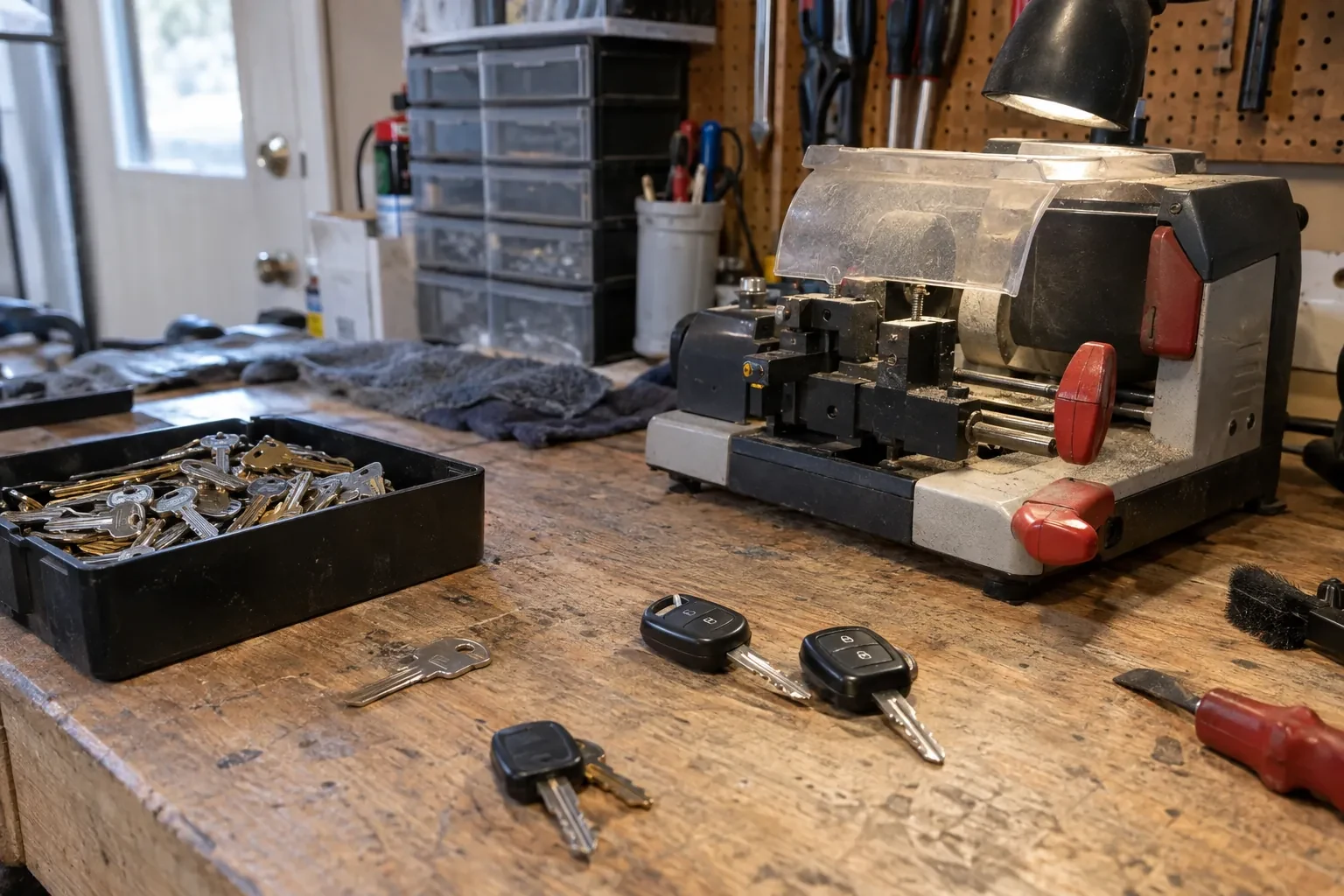
Once the lock is clear, a replacement key is made. The two halves of the broken key are laid together and the cuts are read with a key gauge, or the locksmith cuts from the key code if you have the tag or the lock's records, or from a crisp spare. What is avoided is copying a worn original, because a duplicate inherits every rounded cut and will stick and wear the same way. The new key is cut on a code machine, tried in the lock with the door open, then closed, and from both sides. Extra copies are cut from the new key while the machine is set.
- 3
A lock that turns like it should
The visit closes with the lock proving itself. The new key goes in fully, turns through its full travel and comes out without a catch, from both sides, first with the door swung open, then with it shut against the strike. The bolt is watched seating fully in its pocket. You are shown the fragment that came out and told what condition the cylinder was in. Anything the locksmith noticed, a strike screw backing out or a hinge that has dropped, is pointed out so it is not a surprise later. The door is locked with your own new key as the last act of the visit.
In the van
- Spiral key extractors
- Lock de-icer
- Key blanks and code cutter
- Fine-jawed extractor pliers
- Plug follower and cap tool
What affects the quote
- 1
Drilling and a replacement cylinder
On the rare occasion a cylinder must be sacrificed, the price includes the new cylinder or complete deadbolt plus fitting it, and that is agreed with you before the drill is picked up.
- 2
How deep the fragment sits
A piece standing above the cylinder face is the simplest case. One flush with the face or deep behind the pins takes longer, finer work with hooks and spirals, and the quote reflects that.
- 3
Locked or unlocked door
If the door is locked, the extraction is followed by opening it, which is quoted as its own part of the visit. If the door is open, the work is extraction and securing.
Same fees day, night or weekend.
Broken Key Extraction: questions
Should I rekey or replace the lock afterwards?
Only if the inspection finds a reason. A clean cylinder with sound pins goes straight back to work with a new key. Rekeying makes sense when the pins are worn and sticking, or when a lost or unaccounted key shares the same cut. Replacement is for a cylinder that is corroded, cracked or of a grade that will keep eating keys. Each is offered as its own decision, not bundled in.
Part of the key is sticking out. Can I just pull it with pliers?
If a good length shows and the plug is at its normal rest position, a firm straight pull sometimes works. The risk is pushing instead of pulling, or twisting, which drives the piece deeper and can bend a pin. If it does not come on the first gentle try, stop there and leave it for extractor tools, which grip the cuts without loading the cylinder.
What lubricant should I use on the lock afterwards?
Whatever the lock's own maker specifies, since cylinders differ: many call for a dry graphite or PTFE spray blown into the keyway and worked in with the key, once or twice a year, while others prohibit graphite and specify their own product instead. General-purpose oils, grease and sprays feel smooth at first but on most cylinders collect dust and clog the pins, which leads back to the sticking that breaks keys. A little goes a long way; too much of any lubricant can also hold moisture.
Lockout Services
 EmergencyHome Lockout ServiceThe keypad on the smart lock blinks once and goes dark.
 EmergencyBusiness Lockout ServiceMinus eighteen with a wind, and the exterior cylinder on the shop door has frozen solid overnight after yesterday's slush.
 EmergencyBreak-In Damage Lock RepairYou came home to find the front door standing open.
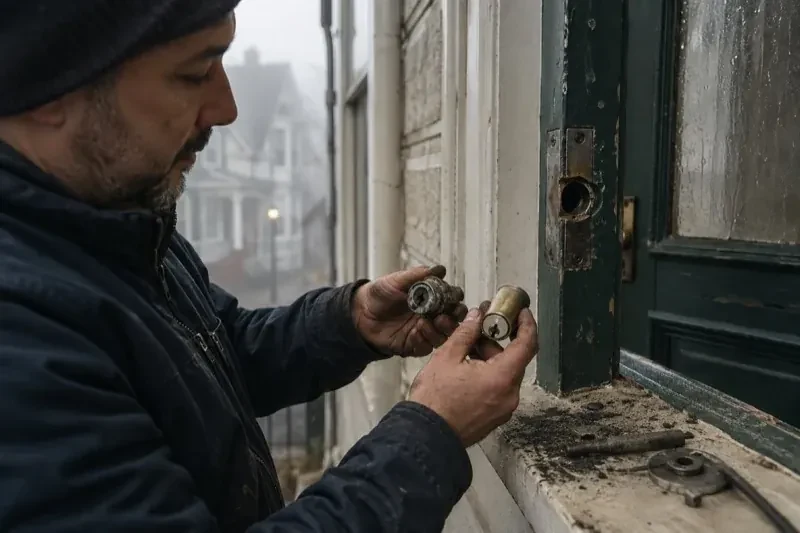 EmergencySeized & Jammed Lock OpeningThe key slides all the way in, exactly as it has for years, and then refuses to turn in either direction.
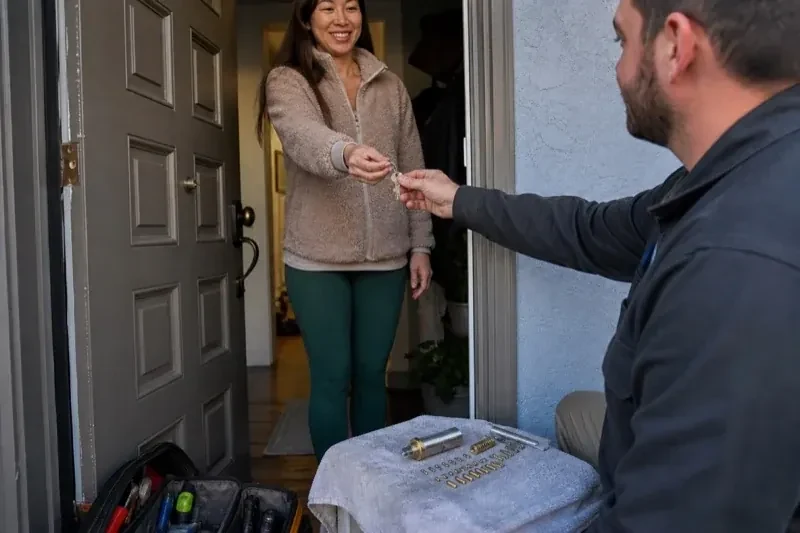 EmergencyLost Keys — Same-Visit RekeyThe renovation wrapped up in the spring.
Broken Key Extraction near you
Toronto, Ontario
Toronto information
- Town
- Toronto, Ontario
- In business
- 16 years
- Hours
- Open 24/7 · nights, weekends and holidays, same fees
- Phone
- (289) 806-2827
- Visits
- On-site assessment preferred. Request a visit or call.
What the census means at the door
58%
Older homes. About 58% of homes in Toronto were built in 1980 or earlier, according to the 2021 Census.
Older homes tend to have had many hands on their doors: owners, tenants, tradespeople, family. A locksmith visiting such a house pays attention to who holds keys now, and rekeying or a keyed-alike set often matters more than any new hardware.
23%
Single-detached houses make up about 23% of homes in Toronto (2021 Census).
Shared entrances mean fobs, intercoms and buzzers alongside conventional locks. A locksmith can service the mechanical side of those doors and advise on how the fob system and the cylinder work together when management asks.
Nearby
Open 24/7
Request a visit
In the parking lot your car key snapped in the driver's door.
Call now · open 24/7(289) 806-2827- On-site assessment preferred
- Same fees day, night or weekend
- 16 years in business