Emergency Lockouts · Cabbagetown
Broken Key Extraction in Cabbagetown
In the parking lot your car key snapped in the driver's door. You are holding the plastic head with the buttons on it, the metal blade is inside the lock, and the spare is on a hook at home.
Call now · open 24/7(289) 806-2827In plain words
Two facts shape the job before the locksmith arrives: whether the door is locked or unlocked, and whether any of the key is showing. A fragment that protrudes can often be gripped and drawn straight out. One flush or deep needs extractors worked in alongside it. If the plug turned before the key broke, it has to be eased back to its resting position first so the pins line up and release the blade. A locked door means the extraction is followed by opening the lock; an unlocked one means securing it is the priority. Either way the door ends up locking with a key that fits.
How the visit goesYou were locking up on the way out when the key broke in the lock. Now the door is unlocked, a piece of key is jammed in the cylinder, and you were already running late for work.
Broken Key Extraction · Cabbagetown
How the visit goes
- 1
How the piece is sitting
The first look is at the fragment itself, without touching it. Does any of the blade show above the cylinder face, or is it flush or deeper still? Is the plug sitting at its normal rest position, or did it stop partway round when the key gave way? A protruding piece in a resting plug is the simplest case. A fragment past the shear line in a rotated plug means the pins are holding it, and the plug has to be brought back before anything will slide. Reading this correctly decides which extractor comes out of the case and spares the keyway from needless probing.
- 2
Drawing it out with a hook extractor
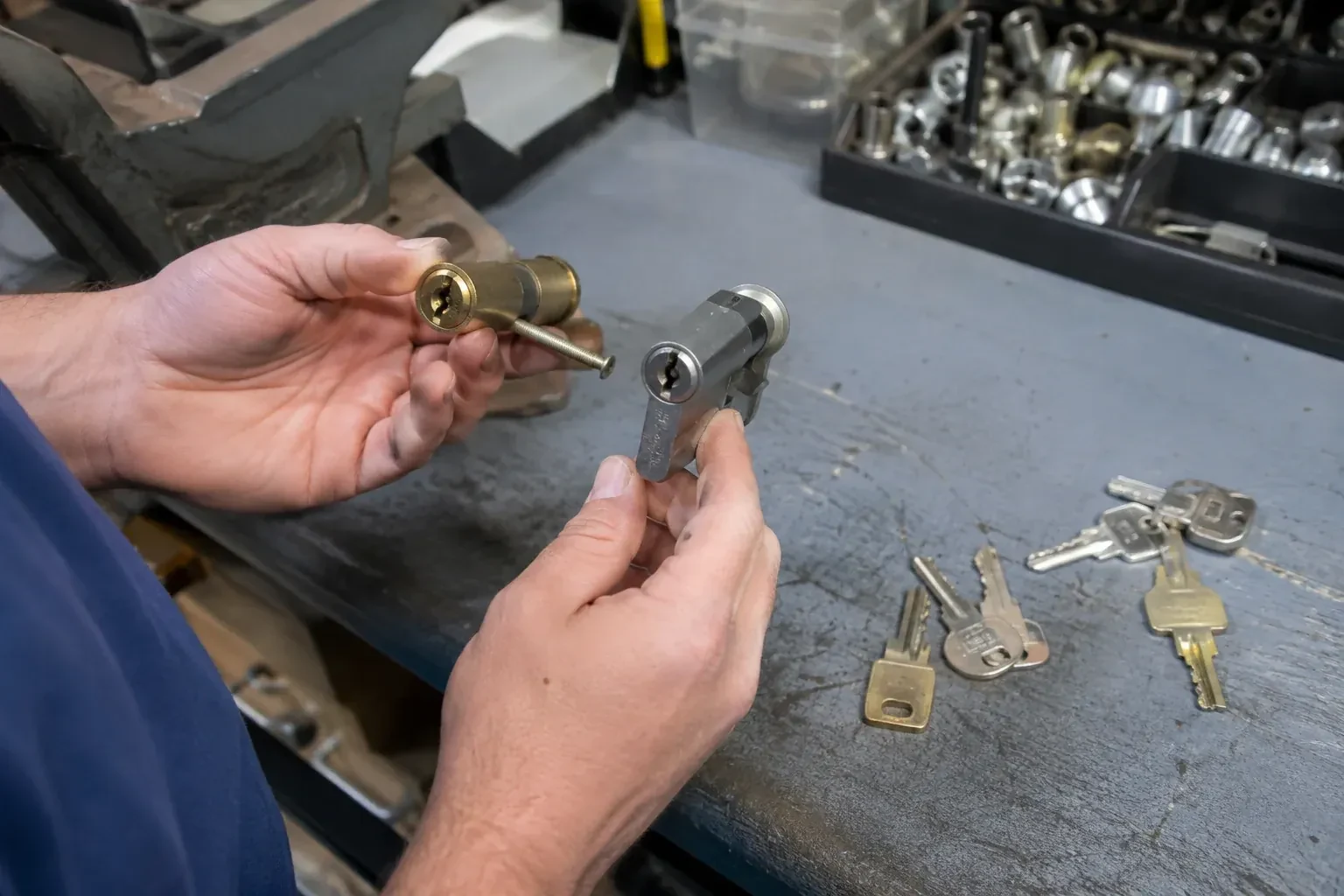
Every keyway has grooves, called wards, that run along its length above and below the blade. A hook extractor is a slim strip of spring steel thin enough to ride in one of those grooves beside the fragment. The locksmith slides it in past the broken piece, rotates it slightly so the barbed tip catches a cut in the blade, and draws it back out in a straight line. The pins are lifted clear as the piece passes them, exactly as they are when a key is withdrawn. It is a patient, felt process, and the cylinder is untouched by it.
- 3
A cylinder that has been looked after
Extraction usually doubles as a service. The keyway has been blown clear of grit and salt, the pins and springs checked for wear, the cylinder cap snugged if it had loosened, and dressed with the lubricant its maker specifies rather than a one-size-fits-all product, since some cylinders take a dry graphite or PTFE spray and others forbid graphite outright. General household oils and sprays commonly collect dust and clog the pin chambers. A puff of the right lubricant twice a year, spring and fall, keeps the cylinder turning freely, and a key that starts to need force is an early message worth acting on before it breaks.
In the van
- Spiral key extractors
- Lock de-icer
- Key blanks and code cutter
- Fine-jawed extractor pliers
- Plug follower and cap tool
What affects the quote
- 1
Door or strike adjustment
When the key broke because the bolt was binding in a swollen or sagging door, correcting hinges, strike or weatherstrip is offered and quoted as its own item.
- 2
Weather on the day
A cylinder that is frozen or iced has to be thawed and dried before extraction can begin, so a call during a deep freeze carries that patient extra time.
- 3
How far the locksmith travels
Every call-out includes the drive. A lock on the next street and one at a rural address an hour out are different trips, and the quote includes travel as its own consideration.
Same fees day, night or weekend.
Broken Key Extraction: questions
Should I rekey or replace the lock afterwards?
Only if the inspection finds a reason. A clean cylinder with sound pins goes straight back to work with a new key. Rekeying makes sense when the pins are worn and sticking, or when a lost or unaccounted key shares the same cut. Replacement is for a cylinder that is corroded, cracked or of a grade that will keep eating keys. Each is offered as its own decision, not bundled in.
Part of the key is sticking out. Can I just pull it with pliers?
If a good length shows and the plug is at its normal rest position, a firm straight pull sometimes works. The risk is pushing instead of pulling, or twisting, which drives the piece deeper and can bend a pin. If it does not come on the first gentle try, stop there and leave it for extractor tools, which grip the cuts without loading the cylinder.
What lubricant should I use on the lock afterwards?
Whatever the lock's own maker specifies, since cylinders differ: many call for a dry graphite or PTFE spray blown into the keyway and worked in with the key, once or twice a year, while others prohibit graphite and specify their own product instead. General-purpose oils, grease and sprays feel smooth at first but on most cylinders collect dust and clog the pins, which leads back to the sticking that breaks keys. A little goes a long way; too much of any lubricant can also hold moisture.
Lockout Services
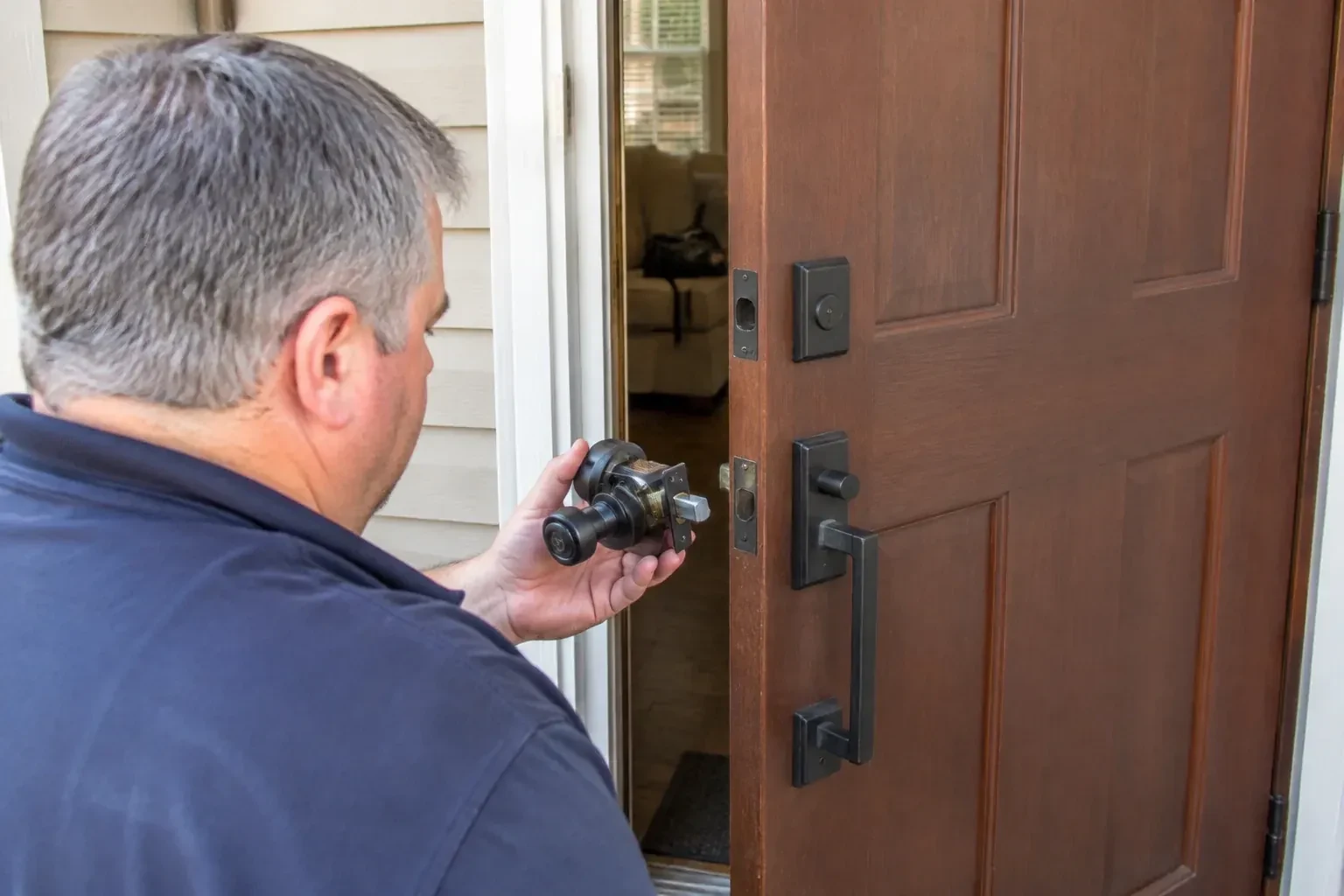 EmergencyHome Lockout ServiceThe keypad on the smart lock blinks once and goes dark.
 EmergencyBusiness Lockout ServiceMinus eighteen with a wind, and the exterior cylinder on the shop door has frozen solid overnight after yesterday's slush.
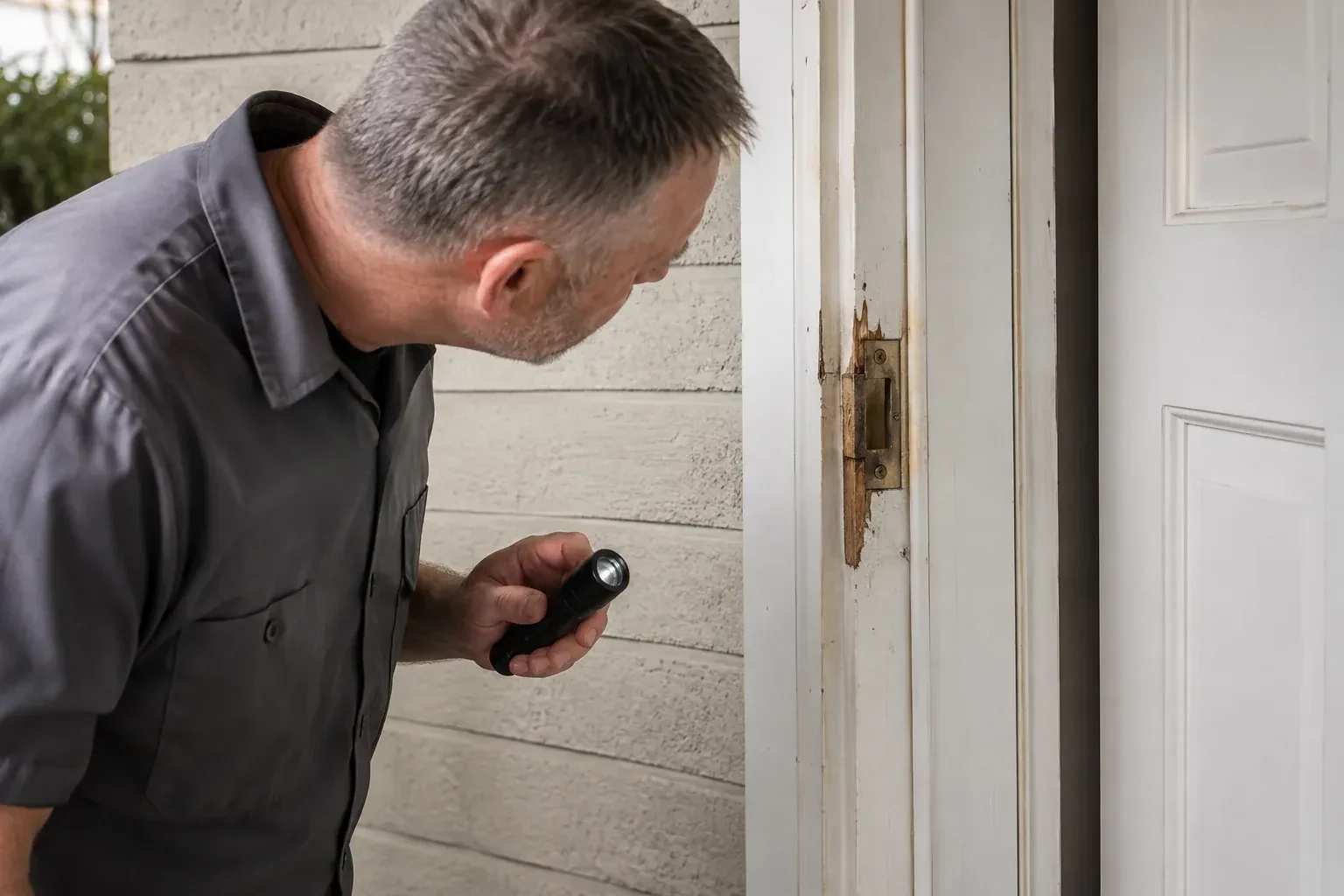 EmergencyBreak-In Damage Lock RepairYou came home to find the front door standing open.
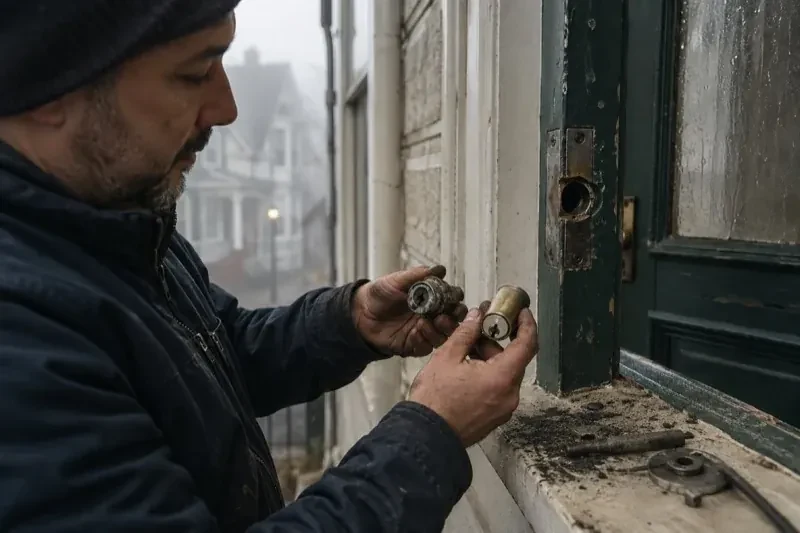 EmergencySeized & Jammed Lock OpeningThe key slides all the way in, exactly as it has for years, and then refuses to turn in either direction.
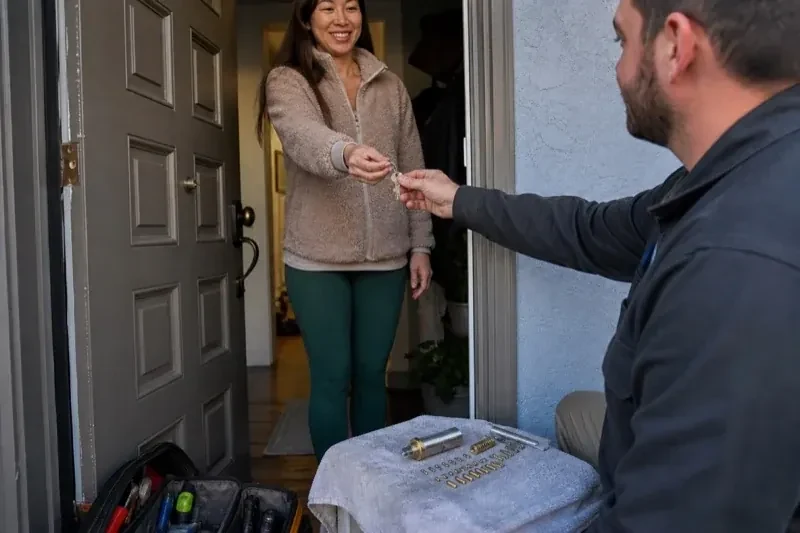 EmergencyLost Keys — Same-Visit RekeyThe renovation wrapped up in the spring.
Broken Key Extraction near you
Toronto, Ontario
Cabbagetown information
- Town
- Cabbagetown, Toronto, Ontario
- In business
- 16 years
- Hours
- Open 24/7 · nights, weekends and holidays, same fees
- Phone
- (289) 806-2827
- Visits
- On-site assessment preferred. Request a visit or call.
What the census means at the door
58%
Older homes. About 58% of homes in Toronto were built in 1980 or earlier, according to the 2021 Census.
Older housing means older frames. Wood that has settled for years leaves strikes slightly out of line, so a bolt drags or needs a lift of the handle. A locksmith expects this and brings the shims, longer screws and strike plates to correct it.
23%
Single-detached houses make up about 23% of homes in Toronto (2021 Census).
Attached housing turns over more often than detached, so rekeying between tenants or owners is a constant. Because suite doors tend to be standard, the job is usually a straightforward pin change and a fresh set of keys cut on site.
Nearby
Open 24/7
Request a visit
In the parking lot your car key snapped in the driver's door.
Call now · open 24/7(289) 806-2827- On-site assessment preferred
- Same fees day, night or weekend
- 16 years in business